Mali, like many other African countries, is experiencing an unprecedented rise in the price of basic necessities. Faced with the emergency, the country is suspending all cereals exports until further notice in order to secure domestic markets and limit its dependence on imports.
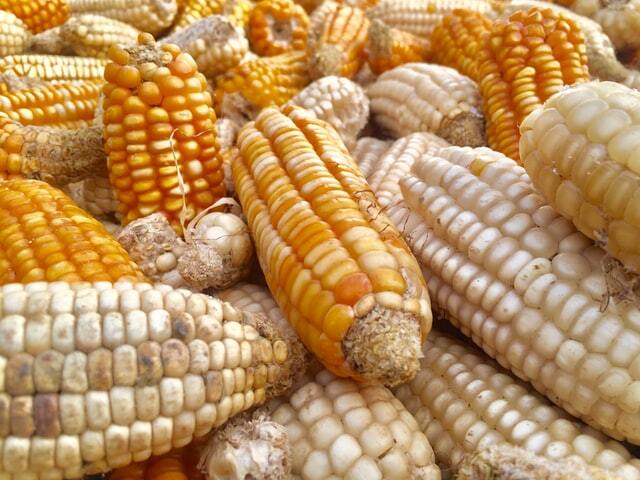
Mali’s National Transitional Council (CNT) announced on Monday, December 6, the suspension of exports of basic necessities. This list includes rice, maize, cottonseed, millet and sorghum. This decision comes in the context of preventing food shortages to ensure self-sufficiency. Indeed, faced with a latent shortage of basic products for several weeks, the government aims to “secure the supply of national markets in products from local agriculture. Upstream, the council had decided a few weeks earlier (last November) to reduce by 50% the taxable base on imports of agricultural products at an estimated cost of CFAF 18 billion, or about $31 million.
What about the NTC’s decision?
The main purpose of this measure is not only to protect the local economy but also to encourage local consumption and reduce the price of products in the market. Thus, by banning the export of basic necessities, Mali, like several West African and Sahelian states, is embarking on a protectionist approach. Even if the country is not directly threatened, it is in an area where the spectre of famine caused by the rising price of products still looms. Benin and Burkina-Faso, Mali’s immediate neighbors, are also affected by the crisis caused by inflation on the food market affecting West Africa.
A short-term measure
Superficially, these export restrictions could ease the shortage. In Benin, for example, after a few months of banning products exports, the government lifted the lock last October to allow the resumption of normal trade transactions. The authorities had justified this lifting by the fact that with the first harvests, the availability of food products has increased and prices are under control. It is therefore a measure that can in the short term calm the surge of the products price.
Produce locally, consume locally
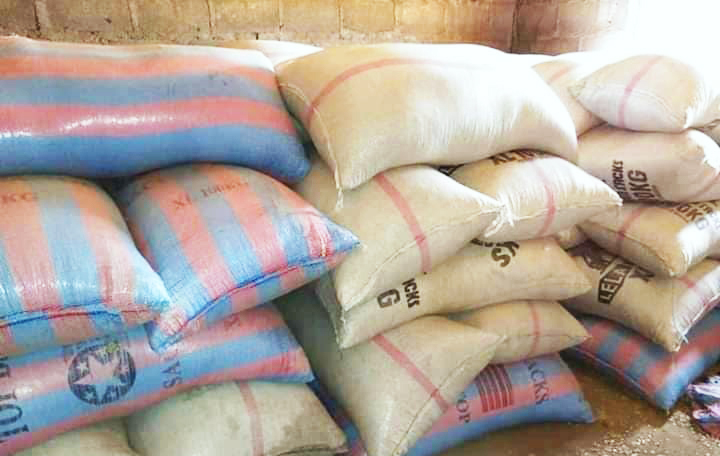
In addition to the risk, the Malian government’s new development plan aims to create greater added value for local products. Indeed, with a strong irrigable potential, the country has the necessary resources to become one of the agricultural pillars of West Africa. It is therefore “a new diet” that the West African country now embodies, which wants to feed itself only with its own crops. No more exports of maize, rice, millet, sorghum or of cotton seed, the country’s main food crops. Thus, Mali is engaged in a campaign promoting local consumption.
Limiting import dependence?
Nevertheless, it is far from certain that the prohibition of grain exports will be able to meet the needs of the population. The country, like many other African countries, imports more than it exports. To this end, Mali imports 70% of its food consumption, according to the WFP (World Food Program) in a study conducted last September. As an illustration, in 2019, the country’s food exports barely reached $25m. While the total cost of imports amounts to 344 million dollars according to the observatory of economic complexity of MIT. If food security is the main argument brandished by the Malian government to justify the measure, local consumption in turn will encourage farmers to increase their production in the coming years. As a result, the import rate would decrease and the country would have succeeded in the challenge of prioritizing local products on the consumer market in order to limit its dependence on imports.