With a growing demographic situation, it is certain that the supply of nutrients, especially protein, is no longer sufficient for African populations. Thus, the consumption of edible insects presents itself as a future prospect and an effective means of combating food insecurity on the continent.
Edible insects eat plants (roots, stems, leaves, flowers, sap, bark, wood, thorns, pollen, nectar seeds, fruits, spores, etc….) and depending on the species, some have even specialised on certain parts. Although many people are reluctant to eat insects, the FAO estimates that they are part of the diets of about 2.5 billion people worldwide, mainly in parts of Africa, Latin America and Asia.
Insects, a nutritional bank
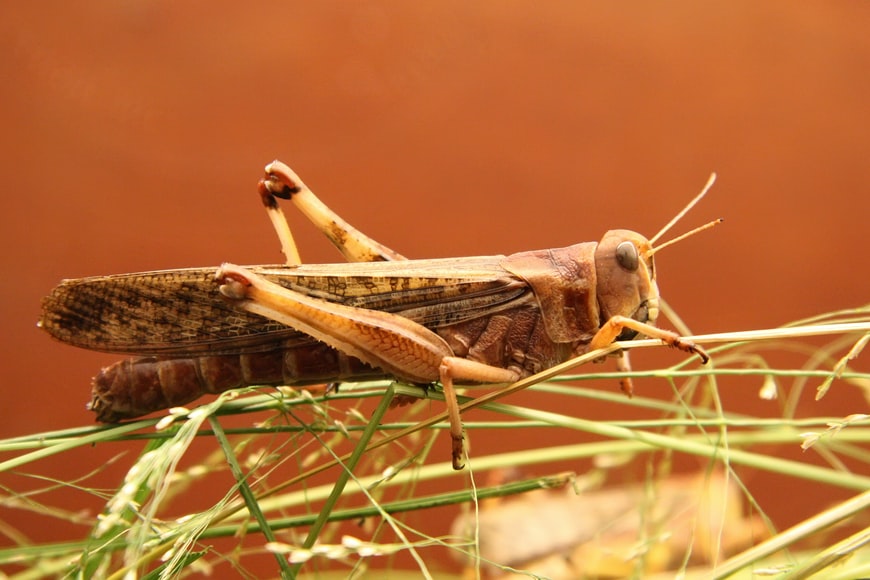
Edible insects contain 45-75% protein depending on their species. For example, a grasshopper contains more than 70% protein, whereas chicken contains only about 27% (StopNuisible). In addition, they contain fibre, fatty acids such as omega 3 and 6, minerals such as iron, zinc, magnesium, copper, selenium, amino acids, etc. So, beyond the nutritional aspect, eating insects is an alternative way to consume quality proteins without destroying our planet.
Nearly 2000 species are consumed worldwide, including beetles, caterpillars, wasps, ants, grasshoppers, crickets, cicadas, mealy bugs, termites, dragonflies, cockroaches, butterflies and flies. In addition, insect farms consume much less water, do not require as much land as conventional farms, especially beef farms, and emit less greenhouse gases.
An economic, environmental and food insecurity reduction perspective
Apart from their immense nutritional value, insects are local and affordable. They are very easy to raise and also easily accessible. Because of their high protein content, they can replace meat, which is not only a source of disease but also expensive on the market. In addition, entomoculture (insect farming) can be an important source of income and employability for African youth. One of the latest projects launched by the Food and Agriculture Organisation of the United Nations (FAO) provides a strong incentive for OECD countries to develop the edible insect industry. The UN agency’s experts urged people to start developing and marketing these annelids for one reason: because of their benefits to the environment and human health.
It should be noted that in addition to having a very small ecological footprint, raising insects does not require much space, they produce much less methane and CO2 and need very little to eat. Indeed, the people of Central and Southern Africa have understood this. In Cameroon, Gabon, Congo Brazzaville, the Democratic Republic of Congo (DRC), the Central African Republic, Nigeria and Zimbabwe, they consume abundantly the larvae of weevils, Mopane caterpillars, termites, locusts, crickets and green bugs.
Working to deconstruct the misrepresentation of insects
Despite the many virtues of these bugs, many people have ideas about eating them. In urban areas, people, especially young people, are turning more to Western dishes (Pizza, Chawarman, hamburgers etc.). The nutritional value of the dishes consumed today is not taken into account. It will be necessary to do some deconstruction work through awareness-raising to enable Africans to identify the nutritional baggage that is hidden in insects.
For the people of the Horn of Africa, where thousands of people are undernourished, it is vital that this measure is taken; for the eradication of undernourishment not only in this region but in the whole of Africa.